
Property & building
House insurance before buying in NZ: four checks before you commit
Check house insurance availability, policy terms, previous natural hazard claims and settlement evidence before committing to a home purchase in New Zealand.

Written by Eric Huang
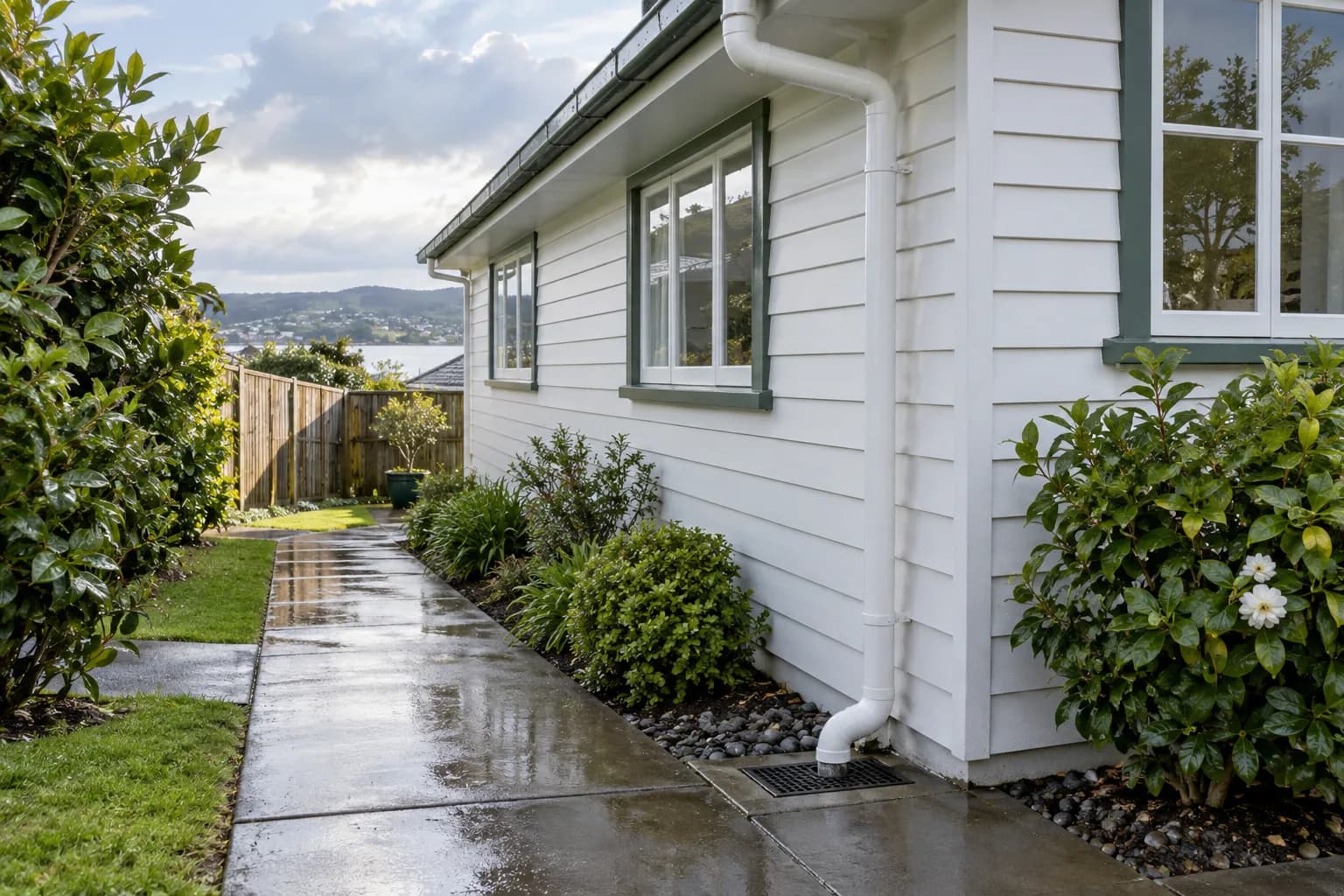
Insurance deserves its own place in your purchase plan, alongside the mortgage and legal checks. This guide focuses on the information to collect and the questions to allocate to each professional, rather than recommending a policy. A tidy exterior alone cannot establish that a property is insurable.
Ask about this address, not just a premium
Settled advises buyers to investigate insurance early: lenders usually require evidence of cover before settlement. Request confirmation for the specific property, including any exclusions, rather than relying on the seller's existing policy or an online price.
Keep three questions separate in your notes: is the insurer still assessing the property, what cover is being offered, and has the lender accepted the evidence? Ask your insurance provider, lender and lawyer who needs to confirm each answer. Our pre-approval guide explains why a borrowing limit is not the same as approval of a particular purchase.
Investigate previous damage and repairs
The Natural Hazards Commission says a missing claims record does not prove a home has never suffered damage. If a claim exists, request repair evidence and have your lawyer check any claim transfer; a settled claim alone does not establish that repairs were completed.
Create a short issue list with a document, responsible person and next action for each unanswered question. For example, an absent repair invoice should remain an open question, not become a tick simply because someone says the work looks finished. This is an organisational example, not a finding about any property. Let appropriate specialists assess the evidence.
Compare what you would have to fund yourself
Use a comparison sheet to ask each insurer about the premium, excess, exclusions, cover limits and assumptions. Ask how the proposed sum insured was established. Note any questions the provider has not yet answered rather than guessing that two offers are equivalent.
Then add a separate household question: what cash would remain for an excess or an expense outside cover? Keep that discussion distinct from whether a lender accepts the policy. An offer of insurance is not a building inspection or a promise that owning the home will be affordable.
Close the loop before the next purchase deadline
Ask your lawyer when cover needs to begin under your agreement and have the insurer confirm the start date. Use a final handover list:
- Insurer: confirm the property, policy details and outstanding requirements.
- Lender: confirm which insurance evidence it needs and whether it is acceptable.
- Lawyer: explain contractual deadlines and any unresolved claim documentation.
- Buyer: keep the confirmations together and flag changes promptly.
For an auction, review the auction finance checklist before bidding. Our home loan team can help coordinate lending requirements; obtain insurance and legal advice from the appropriate professionals. Do not treat unanswered insurance questions as approval to proceed.
Sources & further reading
General information only, not personalised financial, legal or tax advice. Lending criteria, fees and terms apply and can change. Discuss your circumstances with an appropriately qualified adviser before making a decision.
Your next step
Keep reading

Home loan pre-approval: what it does and does not mean
Understand conditional home loan pre-approval in NZ, the documents to prepare and what to confirm before making an unconditional offer.

Buying at auction in NZ: your finance checklist
Prepare for a New Zealand property auction with a finance, deposit and due-diligence checklist before you bid.